
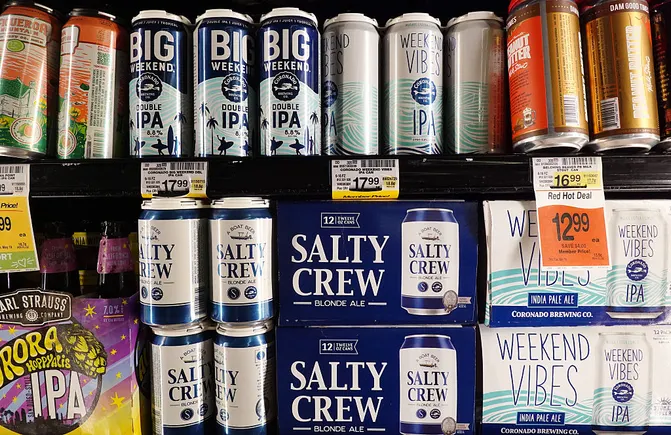
Declining alcohol consumption has been attributed to health and wellness, changing socialization trends among younger consumers and even GLP-1 medications for weight loss. But a new report from Deloitte suggests another reason for the dip: Drinks are no longer worth the expensive price tag.
Value-seeking consumers, which make up nearly 4 in 10 shoppers, are cutting their at-home alcohol spending by between 20% and 40% compared to their peers, Deloitte found. When out on the town, this cohort is cutting spending by over 50%.
“Value seekers” exist across income groups — nearly 25% of households with income exceeding $200,0000 fit this description — Deloitte said. This cohort is looking for bang for their buck with quality options at a fair price.
Though inflation has moderated, consumers haven’t been able to shake the price sensitivity they felt at its peak in 2022, and Deloitte said this has impacted alcohol at stores, bars and restaurants. From entry-level to premium alcohols, brands that offer a greater perceived value perform better than others.
Three-quarters of alcohol executives surveyed by Deloitte say growing consumer demand for more value is a trend that will persist for the long term. Alcohol giants including Molson Coors are betting big on their value portfolio for more affordable options.
Value-seeking behaviors vary slightly among income groups, with lower-income earners specifically cutting both at-home and on-premise alcohol consumption. Higher-income drinkers within the cohort, however, are ramping up their at-home alcohol spending 20%, which could result in an on-premise pullback.
Beyond price and perceived value, Deloitte found that alcohol consumers most value taste when selecting a beverage, followed by product availability, flavors and conveinence. Older drinkers prefer product availability and taste, whereas flavors in beer, wine and ready-to-drink brands are more important to younger generations.
Deloitte’s research found that only 1 in 4 people cited health concerns as a driver for changed alcohol consumption. Health and wellness, however, remains important in purchasing decisions with one-third of those aged 21 to 29 saying they value healthy choices like low- or no- alcohol when choosing which brands to buy.
To accommodate the value-seeking consumer, Deloitte suggests monitoring how promotions impact value perception of the brand; tailoring size and packaging to value seekers; and managing supply chain threats to avoid unexpected price hikes.
“Even value seekers will likely open their wallets when they find good value. The trick is figuring out what makes a brand ‘worth it’ to them,” Deloitte said in the report.
