
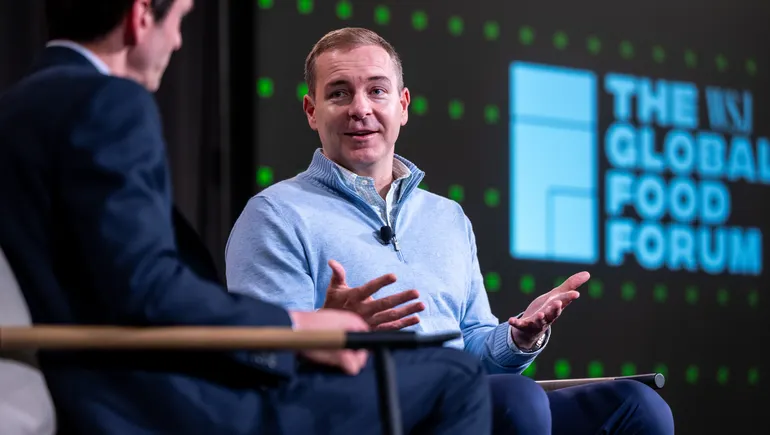
Food and beverage innovation is playing an increasingly important role in convenience retail, as operators look for ways to drive traffic and keep customers on site for longer. At the same time, the channel is gaining more attention from major food and CPG executives — some of whom already have a strong presence in c-stores, and others who have yet to break into them.
But turning that optimism into meaningful sales growth remains a challenge, particularly as consumers pull back amid continued economic pressure and heightened price sensitivity. Those headwinds were a recurring theme at the Wall Street Journal’s Global Food Forum, where executives from major food and beverage companies gathered to discuss the forces shaping the broader food industry.
C-Store Dive attended the second day of the event. Here’s what stood out in remarks from three executives on how they view the state — and opportunity — of convenience retail.
Combating affordability woes requires creativity
C-store trips are down year over year as consumers’ wallets tighten and as gas prices soar to painful levels amid the war with Iran. Mike Del Pozzo, president of PepsiCo Beverages, acknowledged that c-stores are “a huge business” for the company’s beverage division, and that rising costs have created challenges across the sector.
“You think about a convenience store — a 20-ounce carbonated soft drink is pushing on $3,” he said.
Del Pozzo said to combat affordability challenges in c-stores, PepsiCo is testing new price points and pack sizes, including a 13-ounce can as well as mini cans that could be available for about $1.50.
He emphasized that PepsiCo’s priority with its c-store partners is getting more people to come inside the store and buy more products. To that end, PepsiCo is working on individualized promotions for its products in convenience.
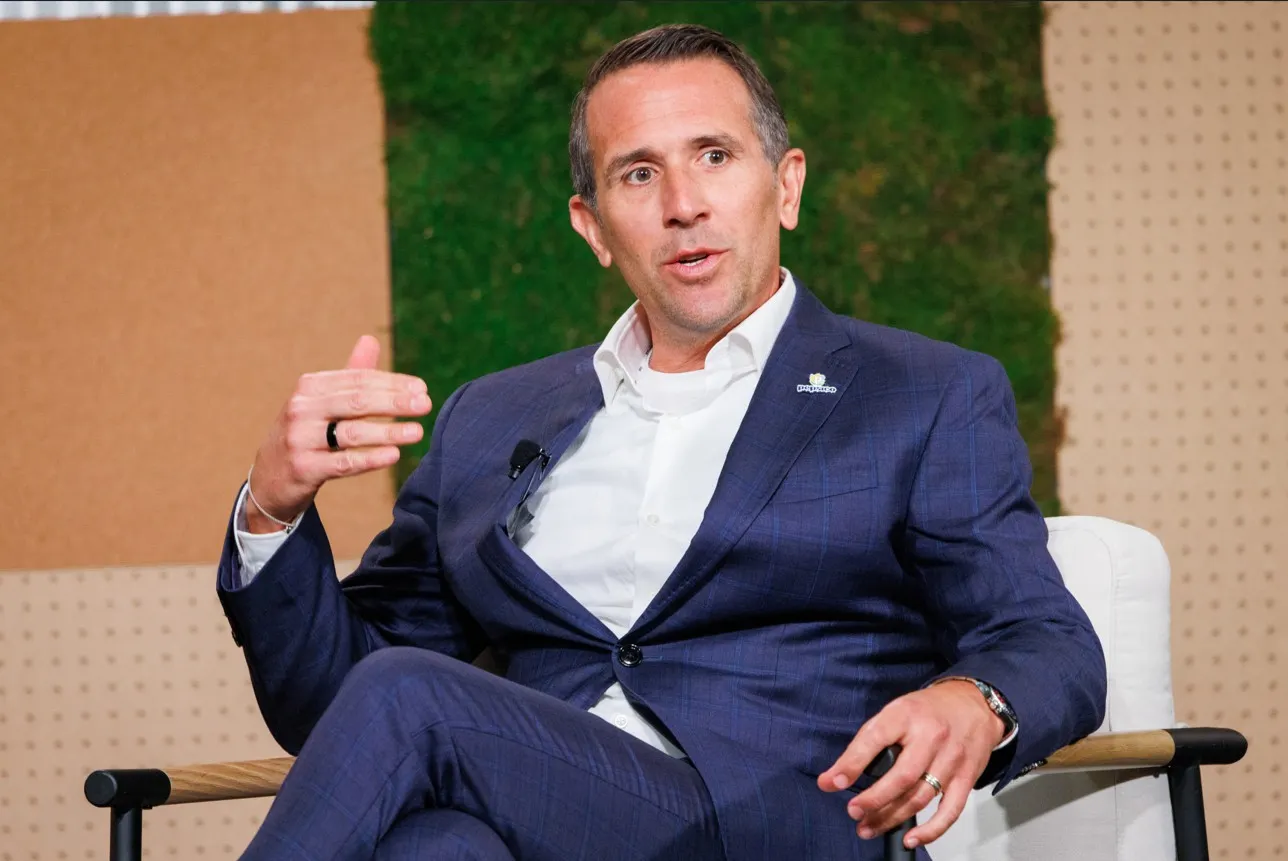
Mike Del Pozzo, president of PepsiCo Beverages, acknowledged that c-stores are “a huge business” for the company’s beverage division, and that rising costs have created challenges across the sector.
Permission granted by Taylor Glascock for WSJ
“We’re really working to say, ‘How can we target and leverage capabilities to make sure the things people want are available at the right time to them,’” he said.
Del Pozzo acknowledged that PepsiCo is early in this journey and that he expects it to take a while to see results. Still, PepsiCo is confident in the trajectory, he added.
“We’re really stepping back and looking differently in a place that’s struggling with traffic, quite frankly,” he said.
Fresh food in c-stores needs convenient packaging
Convenience retailers are prioritizing prepared and fresh food now more than ever. And although fresh produce may fall under that bucket, many c-store operators don’t have the ideal setup to offer such items. Small fruit or veggie cups in open-air coolers are about as far as most c-store retailers get in that department.
So when asked what type of opportunities convenience stores present to berry manufacturing giant Driscoll’s — whose products are ubiquitous in grocery stores and wholesale clubs — CEO Soren Bjorn emphasized the need for convenient packaging. He said Driscoll’s current clamshell packaging isn’t cutting the mustard.
“The clamshell is not inconvenient, but you know, it doesn’t fit in a cup holder or anything like that,” Bjorn said. “So, I think that is our opportunity.”
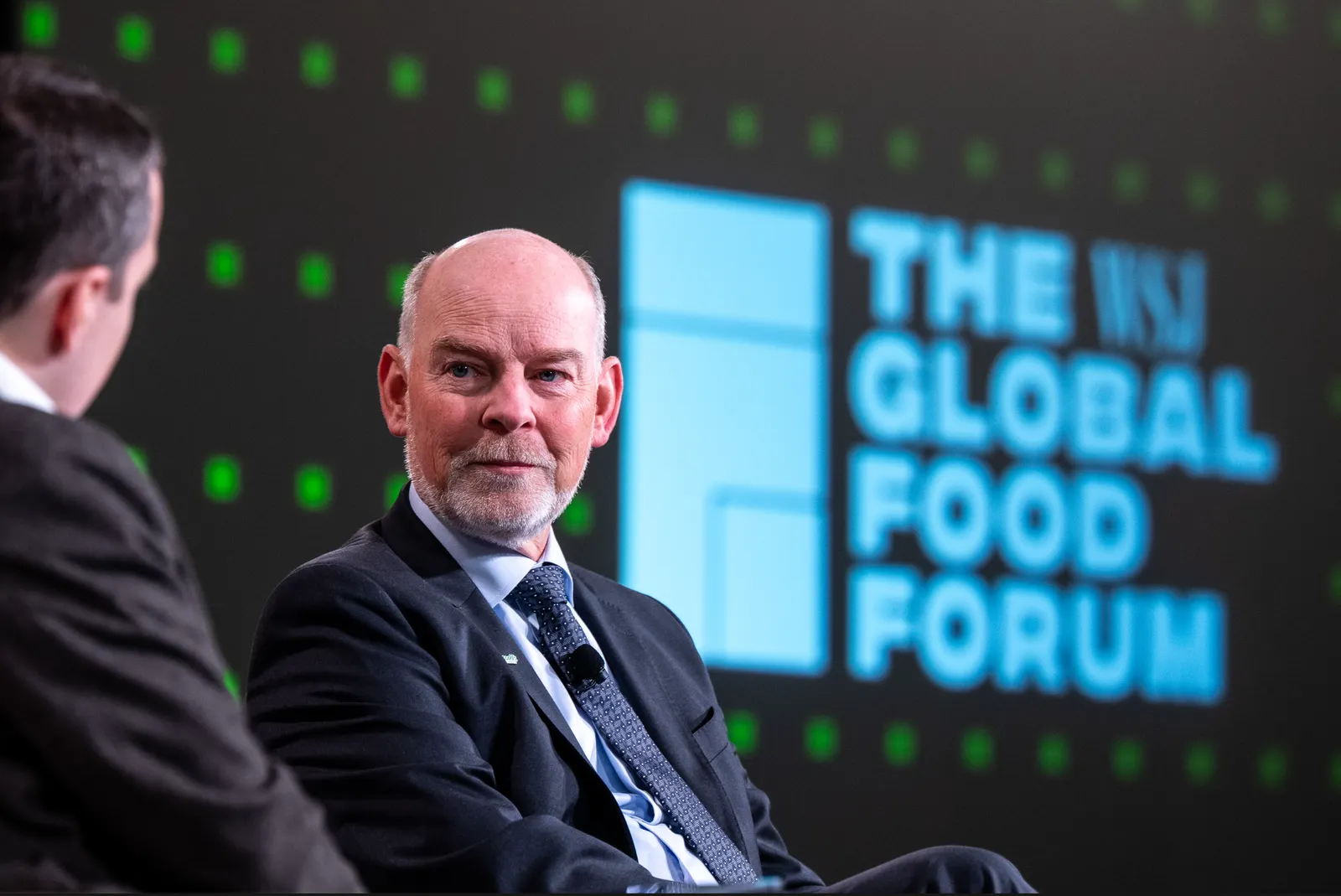
When asked what type of opportunities c-stores present to berry manufacturing giant Driscoll’s, CEO Soren Bjorn emphasized the need for convenient packaging.
Permission granted by Chris Dilts for WSJ
Driscoll’s is rolling out a new packaging design called the Rainbow Pack, which includes three compartments for different types of berries in one container, Bjorn said. Although the new product still appears too large for a cup holder, Bjorn said Driscoll’s continues to move toward offering more convenience packaging with the launch.
“For us to make it a little bit more convenient by thinking differently about packaging, is definitely on our radar screen,” he said.
C-stores are an ‘exciting frontier’ for nonalcoholic beverages
Nonalcoholic beer is having a moment. According to the Brewers Association, while regular beer sales have dropped by low single digits, nonalcoholic brews have grown by double digits in both sales and volume each of the past four years. From 2021 through 2025, volume sales of nonalcoholic beer surged 111% while dollar sales grew 159%.
Yet nonalcoholic beer only accounted for 2.5% of beer sales by volume in 2025, according to the association’s study in January. And no segment is more ripe for an explosion in this category than convenience stores, said Bill Shufelt, co-founder and CEO of Athletic Brewing, who called c-stores “the biggest whitespace” for his brand.
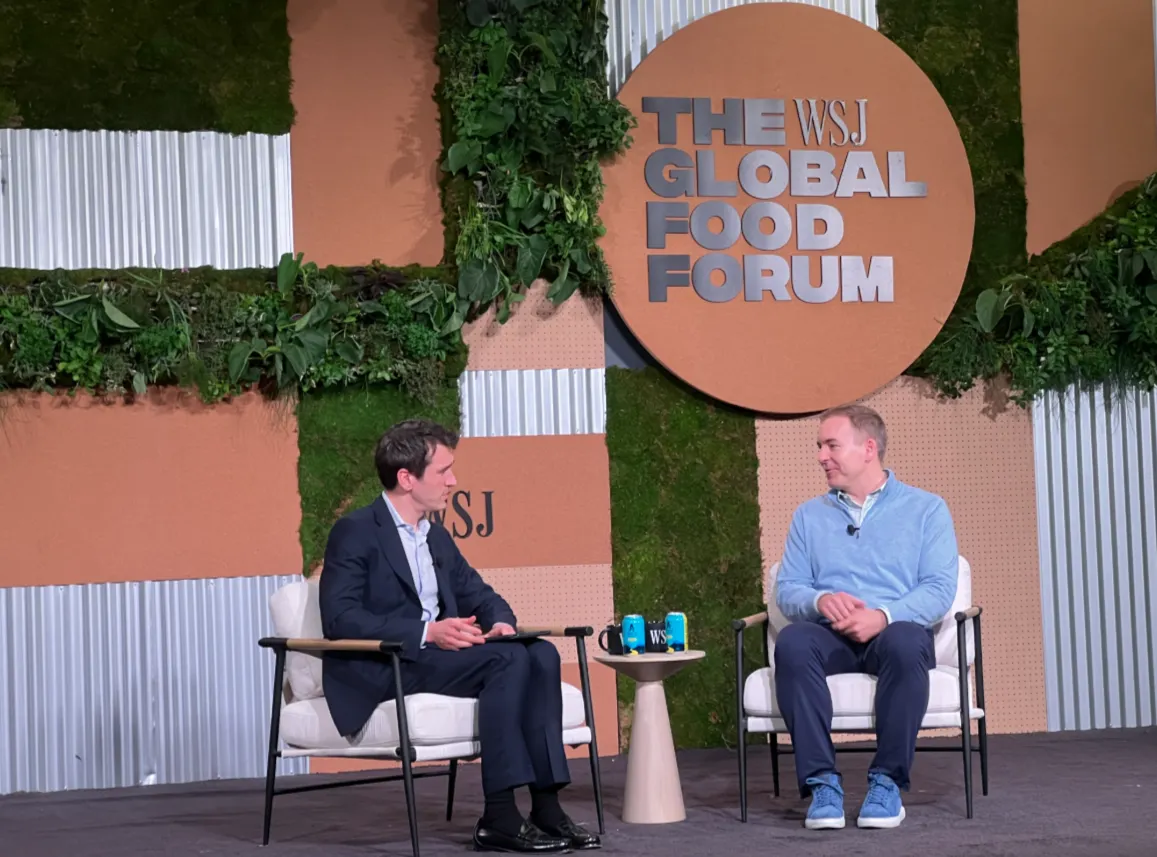
Bill Shufelt (right), co-founder and CEO of Athletic Brewing, called convenience retail “an exciting frontier” for nonalcoholic beverages.
Brett Dworski/C-Store Dive
“We’re about 18% share of the nonalcoholic beer category in the country as the number one brand, and we’re really not in that channel yet, so that’s an exciting frontier,” Shufelt said.
Athletic Brewing does have a small presence in convenience, with its nonalcoholic beers stocked at many Kwik Trip stores in the Midwest as well as some Foxtrot locations, according to its website. But on a broader scale, convenience retail remains an untapped market for the brand.
“I do honestly think it fits the active, on-the-go lifestyle of our products,” Shufelt said of convenience retail.
