


In a move that could reshape the Las Vegas Strip, bajillionaire Tilman Fertitta is set to acquire Caesars Entertainment in a deal valued at about $17.6 billion.
You can read the official announcement on the Caesars Entertainment Web site and skip our story completely, but your parents didn’t raise you to be that rude.
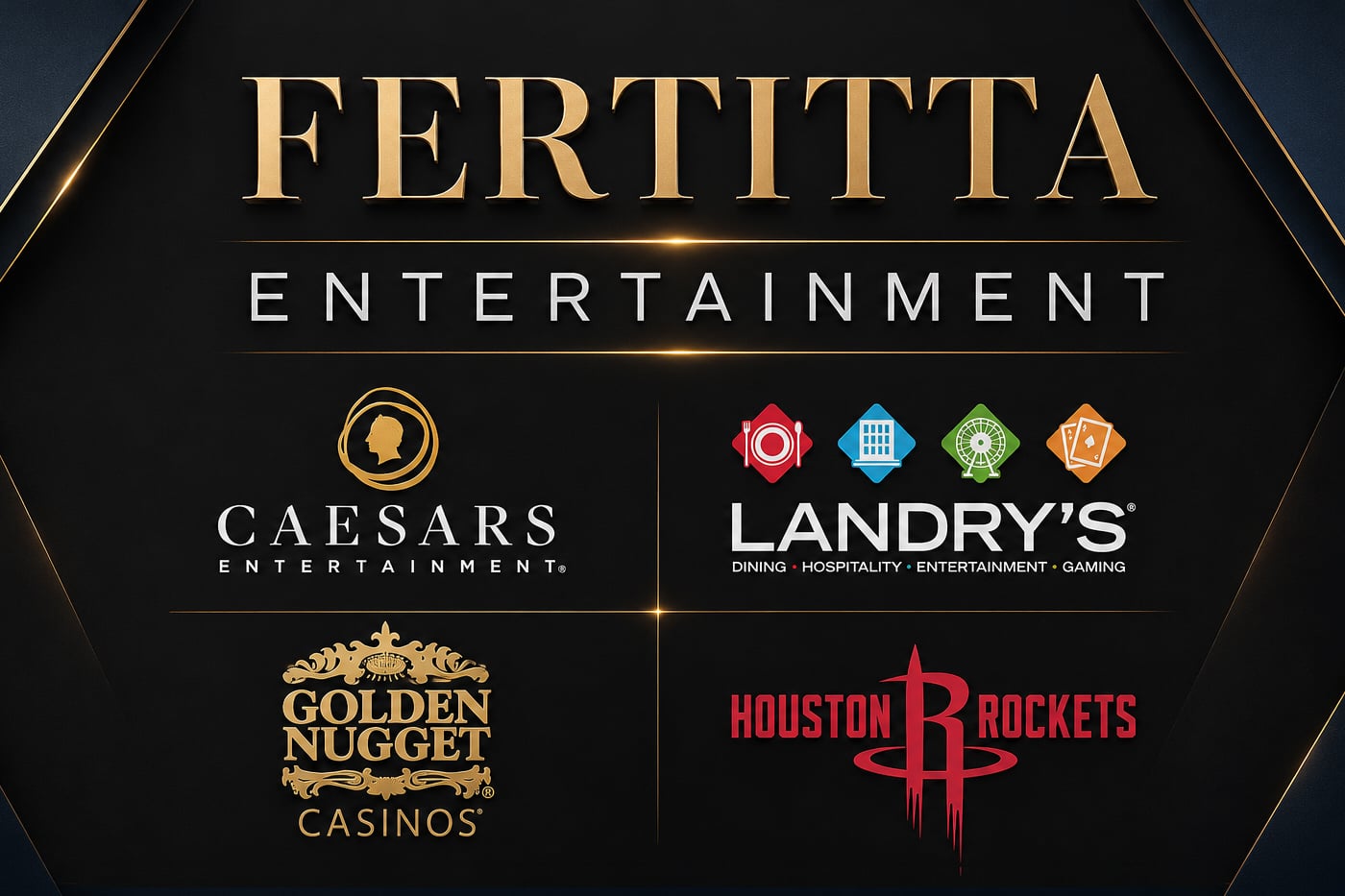
If the sale is completed, it would take Caesars private and place one of the largest casino companies in the world under the control of Tilman Fertitta, owner of Golden Nugget, Landry’s, the Houston Rockets and a massive portfolio of restaurant, hotel and entertainment brands. Oh, and Fertitta’s also the U.S. ambassador to Italy and the Republic of San Marino, whatever that might actually be.

There’s been chatter about a possible acquisition of Caesars Entertainment for several weeks.
While Caesars Entertainment has 52 domestic casinos in 18 states, we’re mostly interested in the Las Vegas parts. Because Las Vegas.
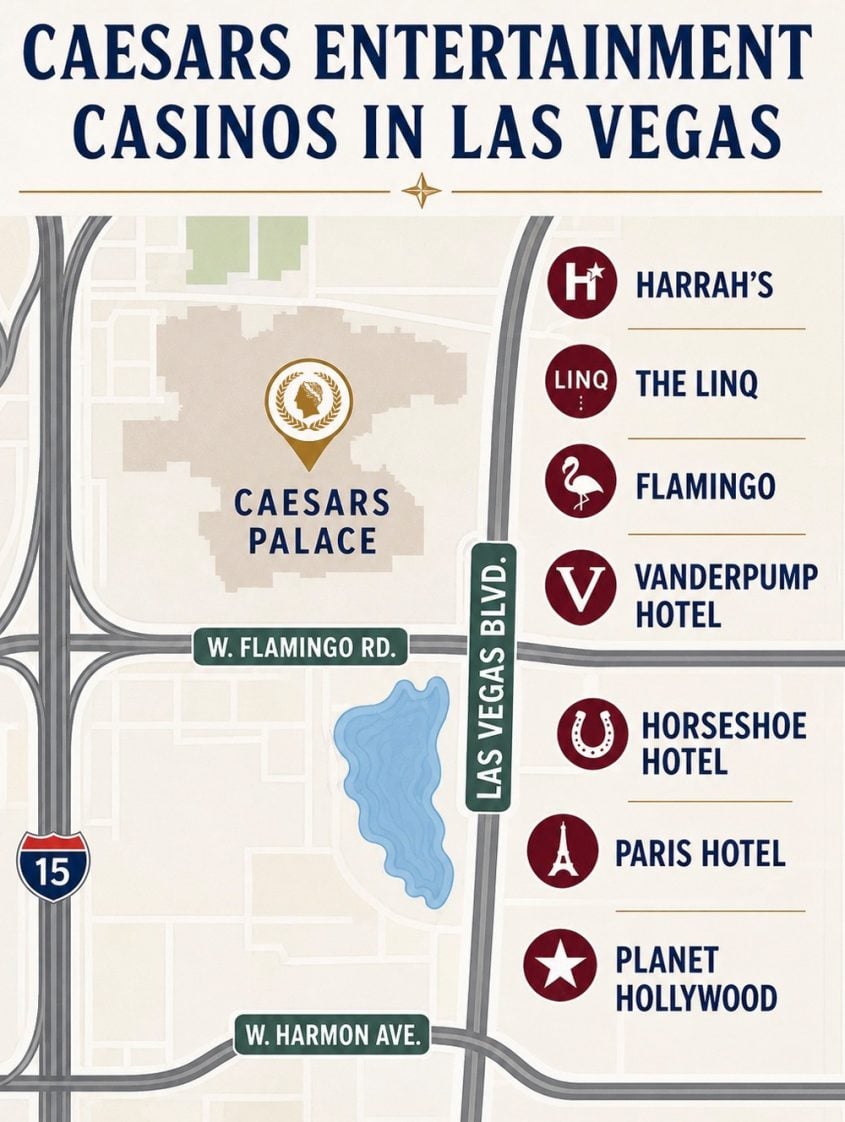
In Las Vegas, Caesars operates Caesars Palace, Harrah’s, Linq, Flamingo, Horseshoe, Paris, Planet Hollywood and Vanderpump Hotel, formerly The Cromwell.
Here’s a handy visual we painstakingly drew and by that we mean ChatGPT made it, which explains the shape of Bellagio’s fountains.
Anyway, the sale of Caesars Entertainment could obviously have a large impact on Las Vegas.
The headline number is $17.6 billion, but the structure of the deal matters.
Fertitta’s company, Fertitta Entertainment, is offering Caesars shareholders $31 per share in cash. That values the equity portion of Caesars Entertainment at about $5.7 billion. Equity is the value of the company’s stock, or what shareholders are being paid.

The bigger part of the deal involves debt.
Fertitta Entertainment is also assuming about $11.9 billion of Caesars’ outstanding debt. When the stock price and assumed debt are combined, the total transaction value is about $17.6 billion.
The $31-per-share offer is a big bump from where Caesars stock was before acquisition rumors began circulating. That’s a “premium” in stock market lingo. A “premium” means the buyer is offering more than the stock’s recent market price in order to convince shareholders to approve the sale.
The board of Caesars Entertainment has approved the transaction and recommended shareholders vote in favor of it, but the deal still requires shareholder approval and regulatory approvals.
This is the casino industry, so the regulatory process will involve lots of hoops to jump through.
Caesars operates in multiple states, so regulators will look at suitability, financing, ownership structure and market impact. So, pretty much a rubber stamp. Let’s just say Fertitta is well-connected.
It’s worth noting the agreement includes what’s known as a “go-shop” period. That means Caesars Entertainment has until July 11, 2026 to try and find a better offer. In the parlance of the industry, that ain’t happening.
The big question is what a Caesars sale means for customers.
In the short term, probably not a lot.
Caesars Entertainment’s current leadership team is expected to remain in place, including CEO Tom Reeg, CFO Bret Yunker and other members of the corporate and casino-level management teams. That’s fairly common in a transaction like this, as it helps smooth the transition. Ultimately, though, top executives are eventually phased out.
Executives often make bank in the process, though. Tom Reeg’s stock alone is valued at about $20 million. That’s pocket change compared to what Gary Loveman made in a day when he took Caesars Entertainment private, about $94 million.
The bigger changes to Caesars Entertainment will happen over time, and a lot of that can be predicted based upon Tilman Fertitta and his operational history and philosophy.
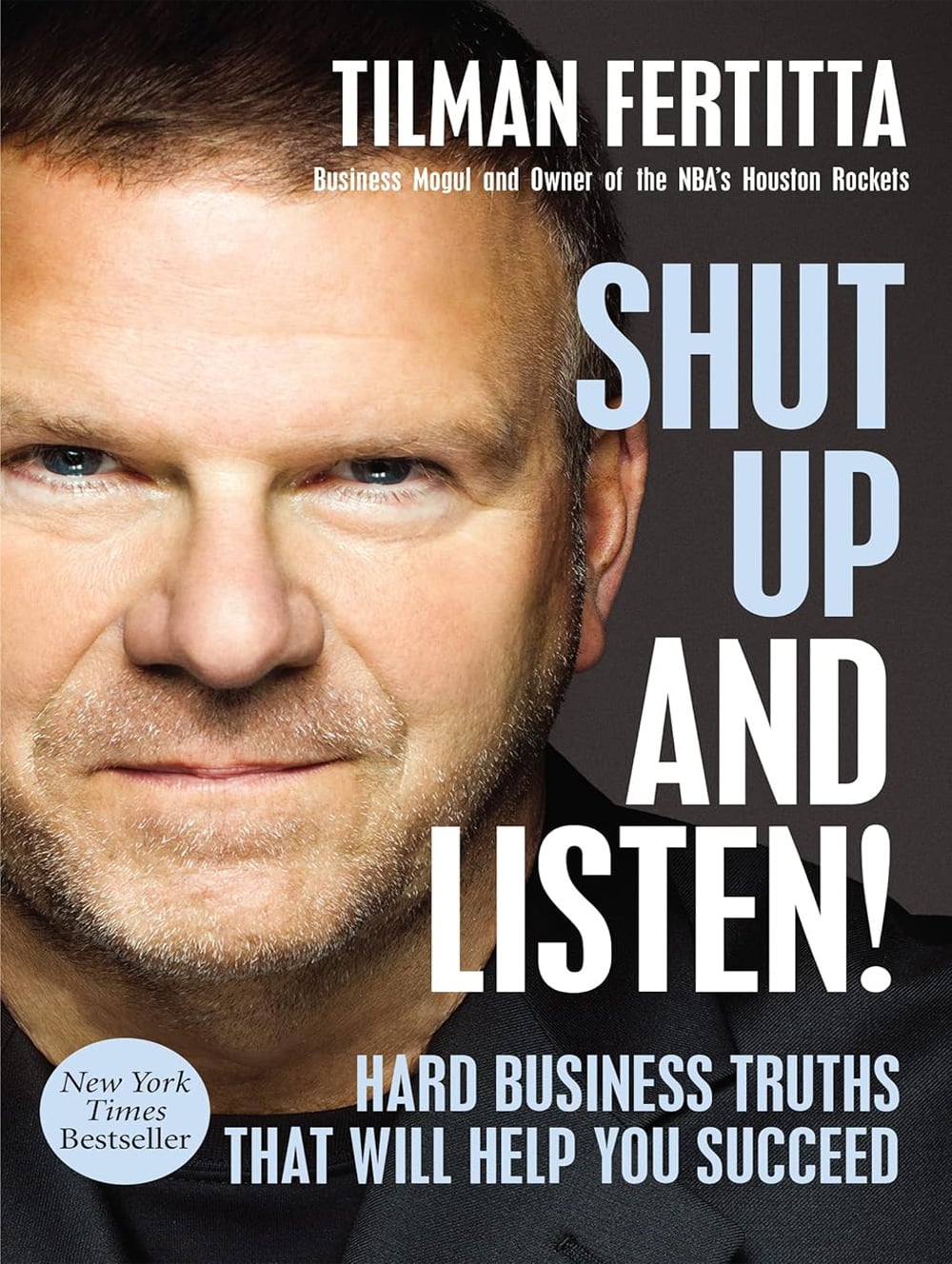
Fertitta is known as a hands-on operator, rather than a passive owner. His success comes from understanding the economics of hospitality: food costs, labor costs, customer and brand loyalty and margins. His business reputation has been built largely on acquisitions, timing and cost management.
Fertitta is the guy who espouses the business philosophy of “eat the weak.”
He has a history of buying distressed, underperforming assets, then squeezing more value out of them, which makes Caesars a logical target: a famous brand with huge scale, heavy debt, a pressured stock price and casinos with obvious upside if operated differently.
Fertitta is also polarizing, viewed by critics as aggressive, unsentimental and emblematic of billionaire excess.
He’s not going to accept when people say “this is how we’ve always done it,” and there is a metric ass-ton of that at Caesars Entertainment.
One of the most obvious areas to watch is food and beverage. Fertitta’s Landry’s portfolio is massive and includes Morton’s, Mastro’s, Del Frisco’s, Double Eagle Steakhouse, The Palm, Chart House, Saltgrass, Bubba Gump, Rainforest Cafe and many others.
As existing deals and partnerships expire, you can be sure more concepts in the Fertitta portfolio will be moving in. There will be a new focus on tighter purchasing, standardized operations and a closer focus on restaurant profitability.
“Synergies,” as our fellow youths call them. Those always turn out great for everybody!

Loyalty is another big piece of the story.
A big part of what Tilman Fertitta is buying is customer databases. That’s because casinos often don’t own their own buildings or land, those are owned by REITs (real estate investment trusts) like Vici.
Caesars Rewards is one of the most important assets in the deal. We should know because we are the reason the Caesars Rewards loyalty club is so valuable. We used to write the Caesars Rewards e-newsletter.
Caesars has a direct relationship with millions of customers which allows the company to market across casinos, hotels, restaurants, entertainment, online gaming and sports betting, the whole nine.
Fertitta also has loyalty infrastructure through Golden Nugget and Landry’s. A combined platform could create more ways for customers to earn and redeem rewards across casinos, restaurants and other hospitality assets. For customers, that could mean broader benefits. For the company, it means more data, more cross-marketing opportunities and more ways to keep customers inside the ecosystem.
We could get into online gaming and sports betting operations, but it’s entirely possible we could die from boredom.
Mostly, we’re excited about this deal because it will shake things up.
Las Vegas is facing some serious challenges at the moment, and taking Caesars private could open up some interesting opportunities.
One of the biggest drivers of how expensive Las Vegas is has to do with union labor.
Tilman Fertitta’s reputation with organized labor is best described as not particularly union-friendly, though he’s not openly anti-union in the Station Casinos sense. (Station Casinos is owned by different Fertittas, by the way, Frank Fertitta III and Lorenzo Fertitta. They’re third cousins of Tilman Fertitta.)
Not surprisingly, the Culinary Union is very jumpy about this deal.
STATEMENT: The 10,000 Culinary Union members at Caesars Entertainment properties are protected by strong union contracts. Given our strong relationships with both Caesars & Tilman Fertitta, we’re confident we’ll have a positive relationship going forward. https://t.co/r59aThVUKp pic.twitter.com/wp5s9VLL7r
— Culinary Union (@Culinary226) May 28, 2026
Culinary is one of the worst unions in America (the leadership, not the members, of course), so it’s good they’re being kept on their toes.
The core issue in this sale is the debt. Caesars has carried a heavy debt load for years. Debt reduces flexibility because you’re always servicing the debt and spending time dealing with refinancing. It drains resources from renovations, new amenities, marketing and building pretty new things.
The lack of debt is one of the reasons the big casino companies are horrified by the arrival of Hard Rock Las Vegas. The Seminoles are rolling around naked in cash. They’re going to be able to undercut everyone’s prices on just about every aspect of their new resort. The days of nickel-and-diming could take a hard turn with the opening of Hard Rock Las Vegas in late 2027.
Tilman Fertitta isn’t a visionary like Steve Wynn was. He isn’t a big idea guy. But he could very well foster a more focused Caesars Entertainment.
He’s likely to sell off a number of Caesars Entertainment casinos to pay down debt. On the shortlist in Las Vegas are Flamingo, Paris and Planet Hollywood. Potential buyers have been kicking the tires for years.
Caesars already sold off Linq Promenade and the World Series of Poker.
The part that should make Caesars executives and employees nervous following a sale: Cost-cutting. It’s coming. It has to.
Overall, guests won’t notice much, at least for a while.
In time, there could be changes to restaurant lineups, loyalty offers, comp strategy, room renovation priorities and entertainment decisions. It probably won’t come in the form of The Great Rejiggering. It’s more likely to be The Great Phased-In Colonoscopy.
Caesars leadership will probably get to finish any projects they’ve started, but anything new is going to have to pass through a new Fertitta filter.
Fertitta’s planned resort just south of Planet Hollywood was already shelved, so anticipate that space will remain a parking lot for the foreseeable future. He’s got his hands full, and nobody should be building anything on The Strip right now.
Fun fact: Tilman Fertitta is the largest individual shareholder of Wynn Resorts. He owns 13 million Wynn shares, or roughly 12.3% of the company. Odds are he’ll sell off all or most of his Wynn stock if the Caesars deal proceeds. Rich guy problems.
The acquisition of Caesars signals at least one very smart businessperson has confidence in the current trajectory of Las Vegas.
Griping about Las Vegas is at an all-time high. The sale of Caesars could mean a gradual but meaningful shift in how a large section of the Strip is operated.
Is buying a company whose debt is twice its value a smart decision? That sort of depends on whether you’re an optimist or a pessimist. We are proudly both.
Las Vegas cheerleaders see unlimited upside and growth. “SpHeRE anD sPoRtS!,” they say. Skeptics note the decline in Las Vegas visitation, driven by a changing perception of Sin City as a value destination; our fellow youths gambling, drinking and fornicating less; political and financial uncertainty; and “commoditization,” the availability of legal gambling across the country, including on smartphones.
Caesars Entertainment changing hands raises lots of questions. But questions are part of the fun.
This deal could take up to a year to close.
When the acquisition is finalized, Tilman will inherit one of the most financially complicated, simultaneously beloved and loathed casino portfolios in the world.
