
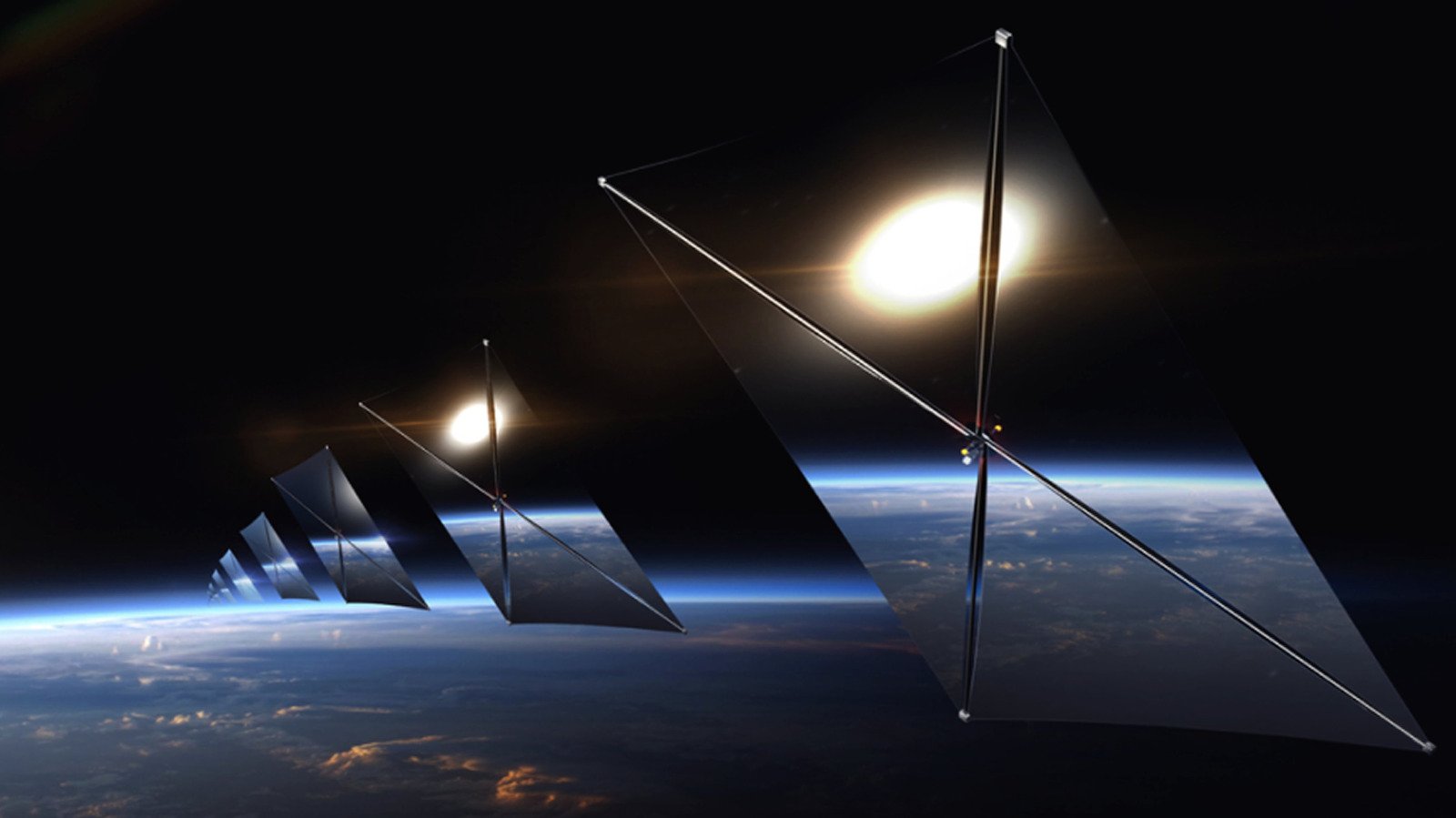
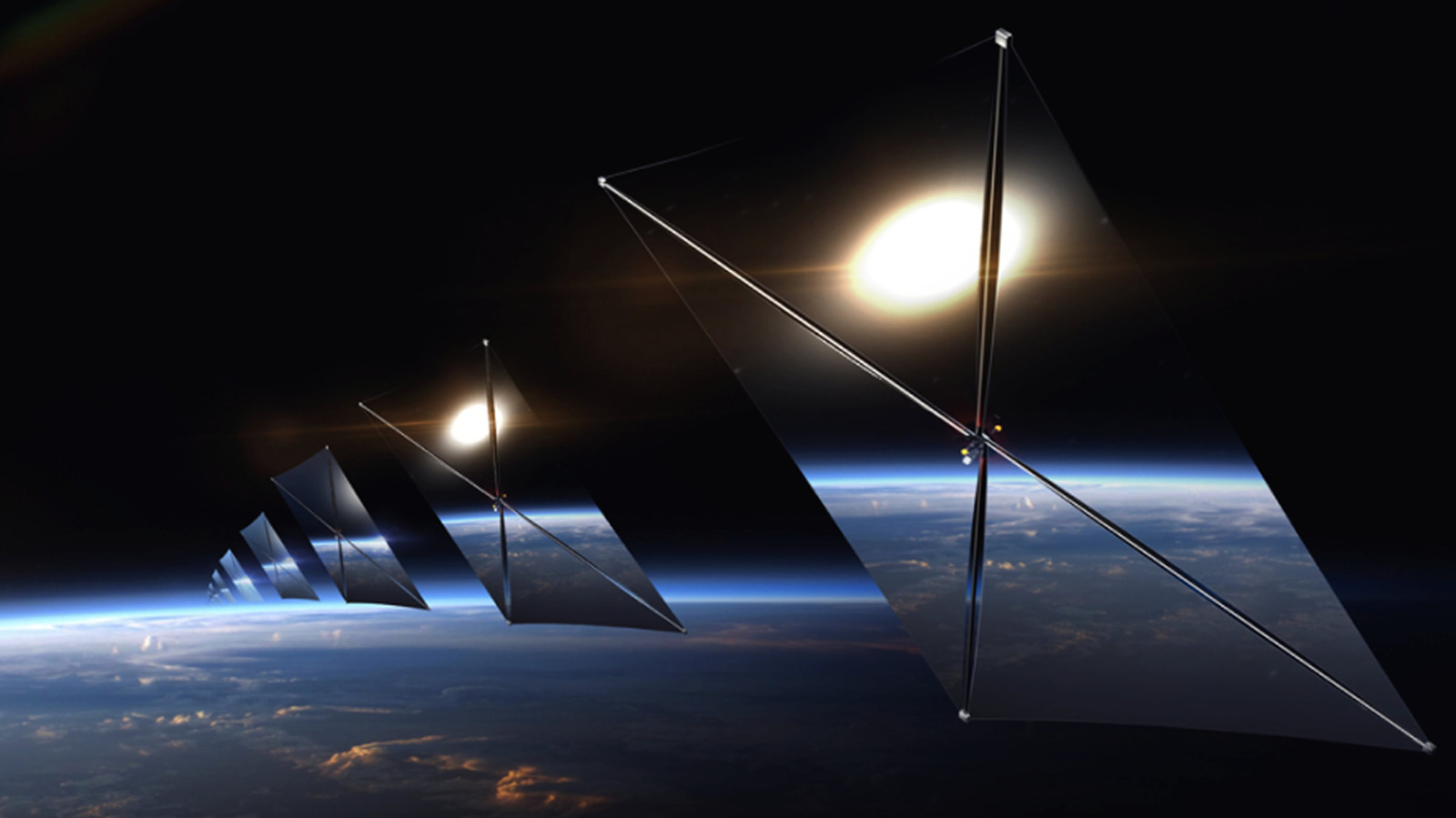
The Federal Communications Commission has approved Reflect Orbital’s request to launch a demonstration satellite that can reflect sunlight to Earth at night. The new satellite had to go through FCC approval because of the radio spectrum it operates on, but the larger concern from scientists is how it could affect health and the environment while in use.
Reflect Orbital’s satellite, Earendil-1, features an adjustable “highly specular, thin-film reflector” for directing sunlight, and a built-in propulsion system that’s supposed to help it avoid collisions and otherwise maneuver while in low-earth orbit. Reflect Orbital imagines operating a Starlink-esque network it can position for on-demand sunlight (powering solar panels or increasing visibility for search-and-rescue teams), but for now it’ll test its premise with a single satellite.
The concept has not gone unchallenged by the scientific community. The FCC’s memorandum opinion and order addresses multiple points of criticism of Reflect Orbital’s demonstration satellite, most notably from the American Astronomical Society, who met with FCC staff to express their concerns.
“AAS opposes the granting of a license to Reflect Orbital, because this application is fundamentally different from those for telecommunications satellites,” the group writes. “The proposed satellite would be intentionally reflecting sunlight on Earth and is designed to be as bright as possible, making impacts on astronomical research extremely challenging to mitigate.”
The AAS also says the satellite’s reflection could cause eye damage to amateur astronomers and the “temporary flash blinding of pilots and drivers.” Reflect Orbital itself has even acknowledged the risk of eye damage “if someone were to view Earendil-1 through a telescope with an aperture larger than 12 inches,” according to the AAS.
Engadget has contacted Reflect Orbital for comment on the AAS’ criticism. We will update this article if we hear back.
In its response, the FCC declined to consider those issues, citing the Communications Act (the law that created the commission), which states that the United States’ policy is to “encourage the provision of new technologies and services to the public.” Reflect Orbital’s new technology is in the public interest in the FCC’s opinion, and those larger, health and environmental concerns are “unrelated to the Commission’s role in authorizing use of radiofrequency spectrum.”
Reflect Orbital’s website lists several precautions it plans to take to make its satellite less obtrusive to researchers, pilots and the general public, like only reflecting light during predetermined times, warning researchers in advance when its satellite will be in use and avoiding reflecting lights near observatories and protected areas. Whether those precautions will be enough if the startup launches more satellites remains to be seen, but the FCC’s approval raises an important question: “If the regulator licensing these satellites has no mandate to examine what they actually do to the sky or the Earth below,” Dark Sky UK’s James Verner writes, “then who does?”
