
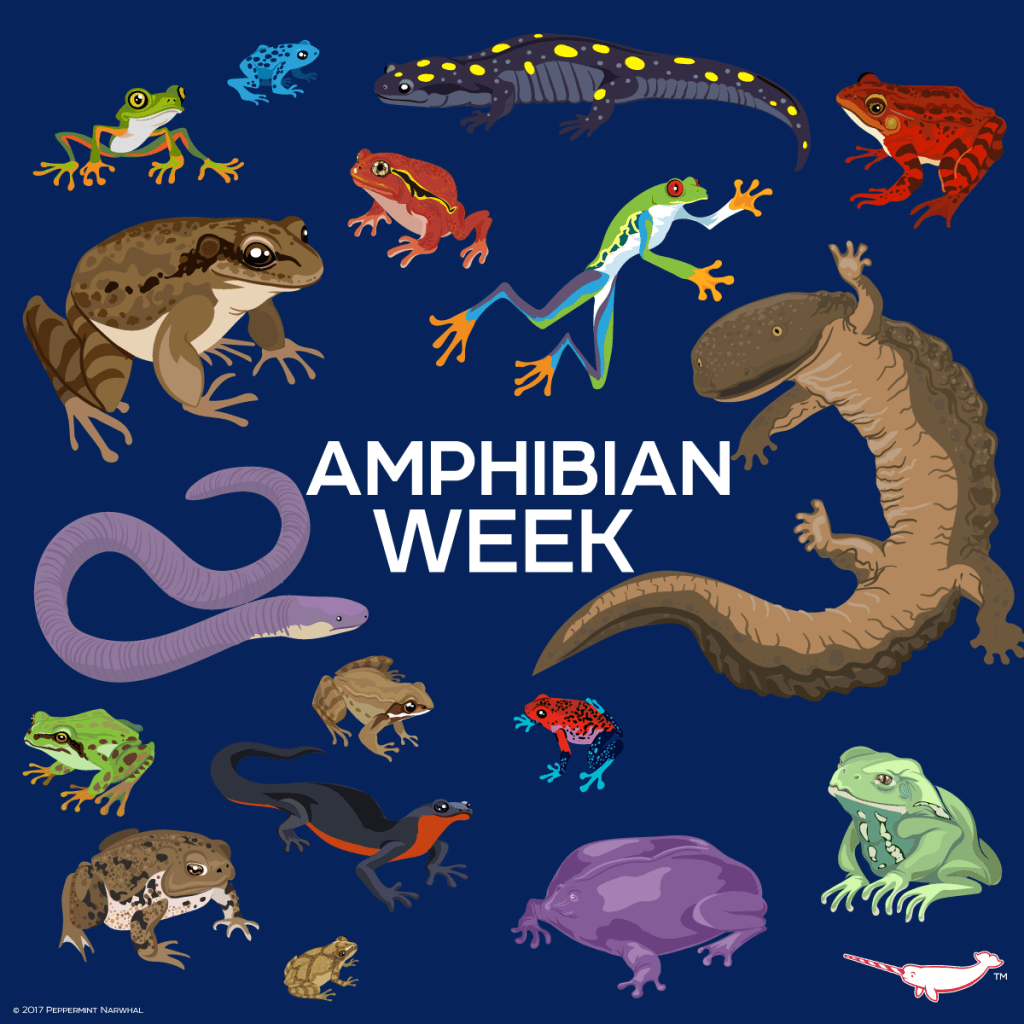
 Amphibian Week occurs during the first full week in May and was created to raise awareness about these creatures which are severely threatened and are currently the most threatened vertebrate class globally.
A 2023 global assessment found that 40.7% of all amphibian species are threatened with extinction. The crisis is driven by habitat loss, pollution, and increasing impacts from climate change, with roughly two in five species at risk.
Amphibian Habitat
When considering amphibian habitat, it’s important to think about each naturally occurring piece — such as the soil, water, vegetation, exposure to bedrock, the amount of sunlight the water and vegetation receive — as distinct parts of their landscape.
When these come together and create a place for certain water-loving vertebrates to call home, they can thrive in the resulting conditions and interactions that we define as ecology.
Some amphibians rely on different habitats (both wet and dry areas) for emergence, breeding activities, emigration away from breeding habitat, and lastly, migration back into overwintering habitat.
Some species shift their use of habitat in rather obvious ways and others make very non-descript changes in use of habitat to fulfill their life cycles.
 Vernal Pools
Each spring, as snowmelt and seasonal rains collect in shallow depressions across New York’s forests and fields, a unique and highly productive ecosystem emerges: the vernal pool.
These temporary wetlands, which typically dry out by late summer, play a critical role in supporting amphibian populations and maintaining regional biodiversity.
Vernal pools are small wetlands that form in the spring and persist just long enough to provide ideal breeding habitat for certain amphibians and invertebrates. Due to the seasonality of vernal pools, they don’t support fish, an important feature that reduces predation on eggs and larvae.
Several amphibian species in New York rely almost exclusively on vernal pools for reproduction. Known as obligate vernal pool breeders, they require these habitats to complete their life cycles. Among the most notable are:
Wood frogs: often the first to breed, sometimes while ice still rims the pools. Their distinctive “quacking” calls signal the start of the season.
Spotted salamanders: known for their striking yellow spots, these amphibians migrate to pools on rainy spring nights to lay egg masses attached to submerged vegetation.
Jefferson salamanders: more elusive, these salamanders depend on undisturbed forested habitats surrounding vernal pools.
How You Can Help
Even small actions can help sustain the delicate balance that vernal pools provide. Landowners, farmers, and community members can play an important role in protecting vernal pools by:
Habitat protection: Avoid filling or altering seasonal wetlands; maintain forest buffers around known pool sites.
Limit chemical use near vernal pools: Glyphosate-based herbicides often used for targeted weed suppression and neonicotinoid insecticides used in some commercial agricultural practices are both detrimental to amphibians living in and near vernal pools.
(In February 2026, President Trump issued an executive order designed to increase domestic production of glyphosate, in line with Republican policy favoring the chemical industry and Bayer (owner of Roundup), despite opposition from “Make America Healthy Again” (MAHA) advocates.)
Participate in local conservation efforts: The Amphibian Migrations & Road Crossings Program engages volunteers to ensure the safe road crossing of amphibians during late winter/spring breeding season.
Vernal pools may be temporary, but their ecological significance is enduring. By supporting amphibian populations and enriching surrounding ecosystems, these seasonal wetlands are a vital part of New York’s native ecosystem.
Protecting them ensures that the chorus of spring peepers and the quiet return of salamanders remain a lasting tradition for generations to come.
Read more about amphibians in New York State.
