
In 2024, Surrealist artist Leonora Carrington’s Les Distractions de Dagobert sold at Sotheby’s for £22.5 million, making her the highest-selling British female artist in history. The painting is mystical, chaotic and reflective of Carrington’s own incredible life story, which would undoubtedly provide ripe material for a live-action adaptation. It’s a shame, then, that this feature film from writer-directors Thor Klein and Lena Vurma misses the mark.
Leonora in the Morning Light, an adaptation of Elena Poniatowska’s 2012 biographical novel, tells this British and Mexican painter’s story. Carrington (Olivia Vinall) lived a rich and tumultuous life, one which spills out far beyond the tight restraints of a feature film. Her formative experiences are presented in a series of vignettes which dip in and out across the decades, from her relationship with fellow painter Max Ernst (Alexander Scheer) and their time amongst the Surrealists in Paris to her settling down and finding a community in Mexico City.
Get more Little White Lies
The issue with this format is that we never get enough time at each stage, meaning none of her relationships are ever fully developed. It results in the feeling that huge chunks of her story are missing, gaps only filled by further research into Carrington’s life which reveals treasure troves of untapped experiences. Among other achievements, she was a co-founder of the Mexican Women’s Liberation Movement, being outspoken about feminist issues and incorporating female spirituality in her art. The closest we get to this is one scene (featuring a Salvador Dali cameo) where she resists the chauvinistic Surrealists’ idea of women as muses.
Rather, the filmmakers seem overly preoccupied with her deteriorating mental state, dedicating long sequences to her moping around the house or suffering cruel treatment in a psychiatric facility. Vinall’s performance has moments of strength, especially in the aforementioned scenes, but she ultimately isn’t given enough to work with. Moments of dialogue are few and far between – the film opts for a quieter, more meditative approach – and when they arrive they are often on-the-nose, like throwaway Hitler references that remind us where and when we are.
It’s disappointing, because moments of real intrigue emerge – flashbacks to her childhood reveal her belief that she could communicate with animals. It’s a late-stage revelation which merits further exploration, given the prominence of the animal motif across her oeuvre. Another huge influence on her work was spirituality and Mexican folklore, which appears in short glimpses throughout the film – such as the ominous Tarot card stills which demarcate the film’s chapters – but never enough for us to understand its connection to her paintings.
What the film lacks in plot, it makes up for in visual appeal. Frames are infused with warmth and light, capturing the essence of the places that influenced Carrington’s artwork. From the cobbled streets of Paris and idyllic south of France to sun-drenched Mexico City, each location is captured in sumptuous detail, with layered soundscapes imbuing them with life.
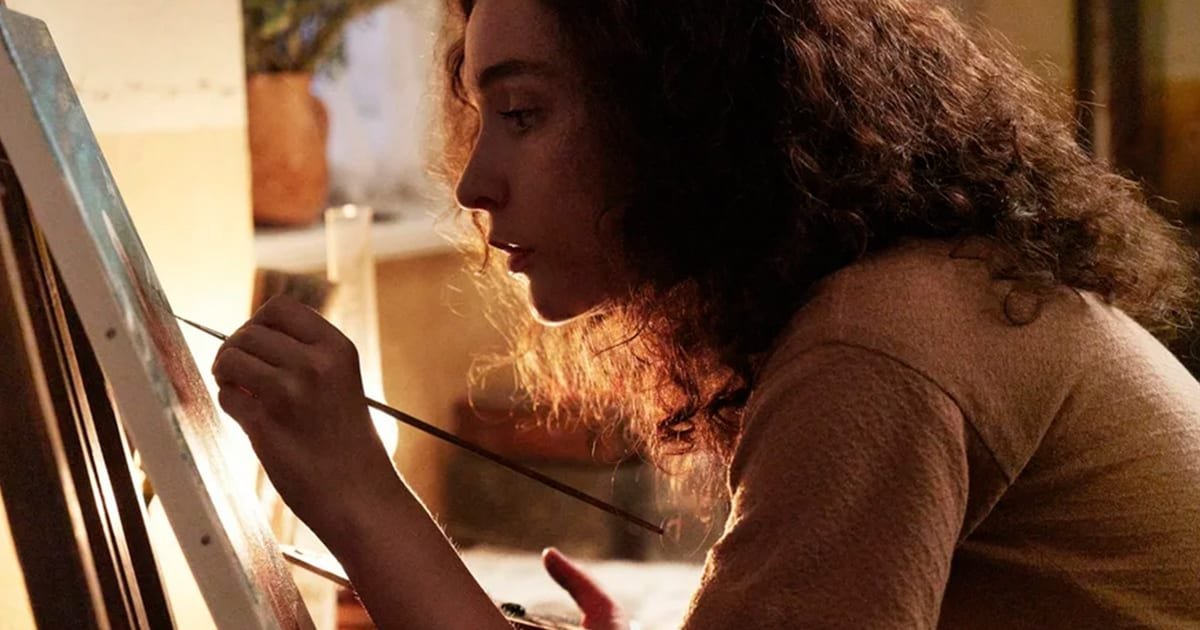
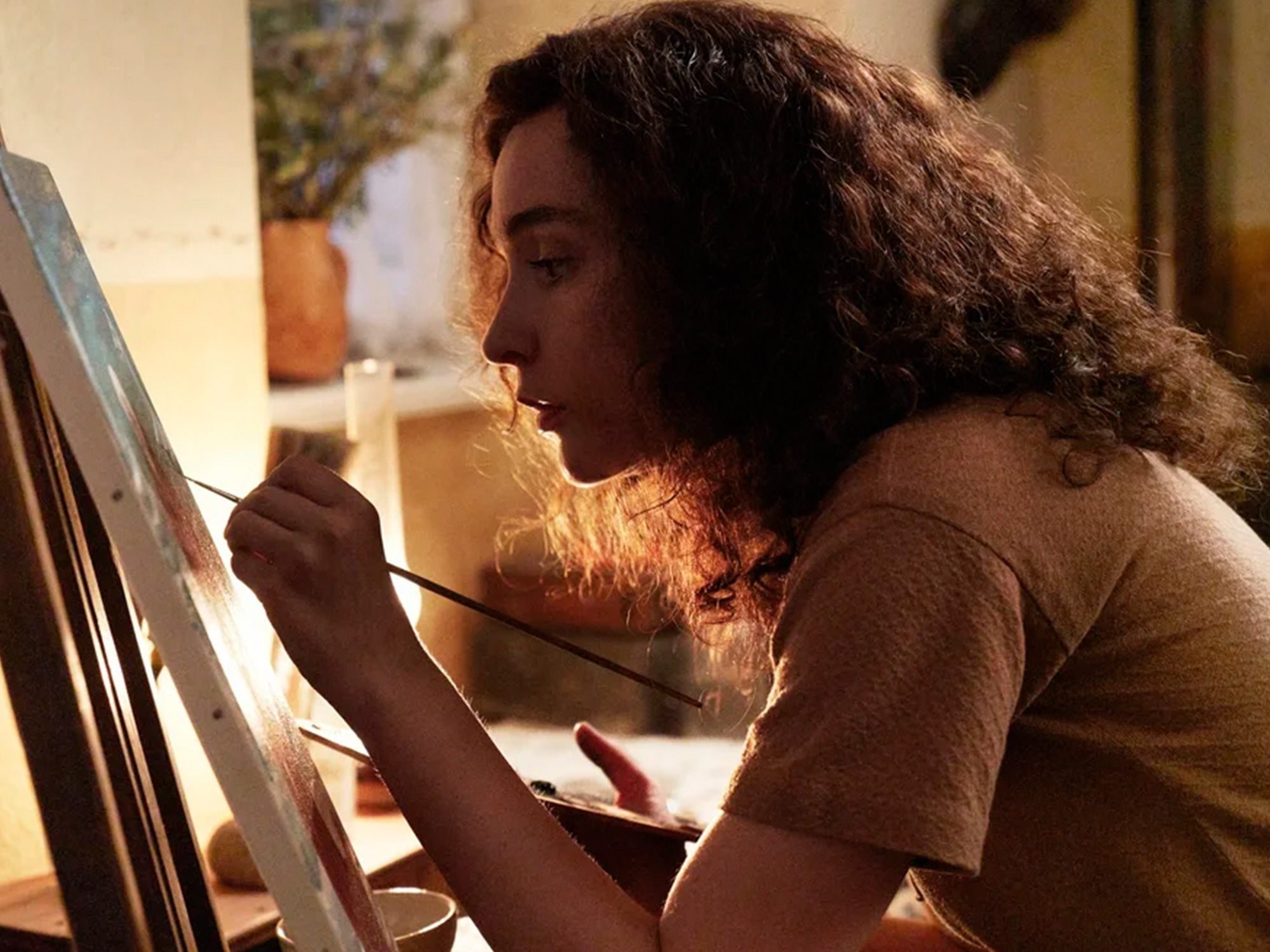
The artistic process is treated with reverence; textured close-ups of brushstrokes on canvas and paint-mixing sequences are given time to breathe, exploring the Surrealist art which is this film’s raison d’être.
The film’s artistry celebrates Carrington’s work, but distilling 94 years of life into a 104-minute film was always going to be challenging. While it’s a decently entertaining exploration of an interesting figure’s life, there is not much of substance to say regarding the treatment of female artists or the lasting legacy of the Surrealist movement.
