
President Donald Trump’s second term has presented an array of opportunities for political opponents, from immigration crackdowns and lingering inflation to attacks on independent institutions and friction with overseas allies.
Many Democrats, however, are staying focused on health care, an issue that was once a political liability but has become foundational for the party in recent elections. They insist their strategy will help the party regain control of Congress in the November elections and fare better than chasing headlines about the latest outrages out of the White House.
Republicans last year cut about $1 trillion over a decade from Medicaid and declined to extend COVID-era subsidies that had lowered the cost of health plans under the Affordable Care Act.
Democrats are filming campaign spots outside struggling hospitals, spotlighting Americans facing spiking insurance premiums and sharing their own personal health care stories.
U.S. Sen. Jon Ossoff of Georgia, one of the party’s most endangered incumbents this year, is expected to highlight health care challenges at a rally Saturday in suburban Atlanta.
“It’s a banger of an issue for Democrats,” said Brad Woodhouse, a longtime Democratic strategist and executive director of the advocacy group Protect Our Care. “I think it will be part of every single campaign, up and down the ballot.”
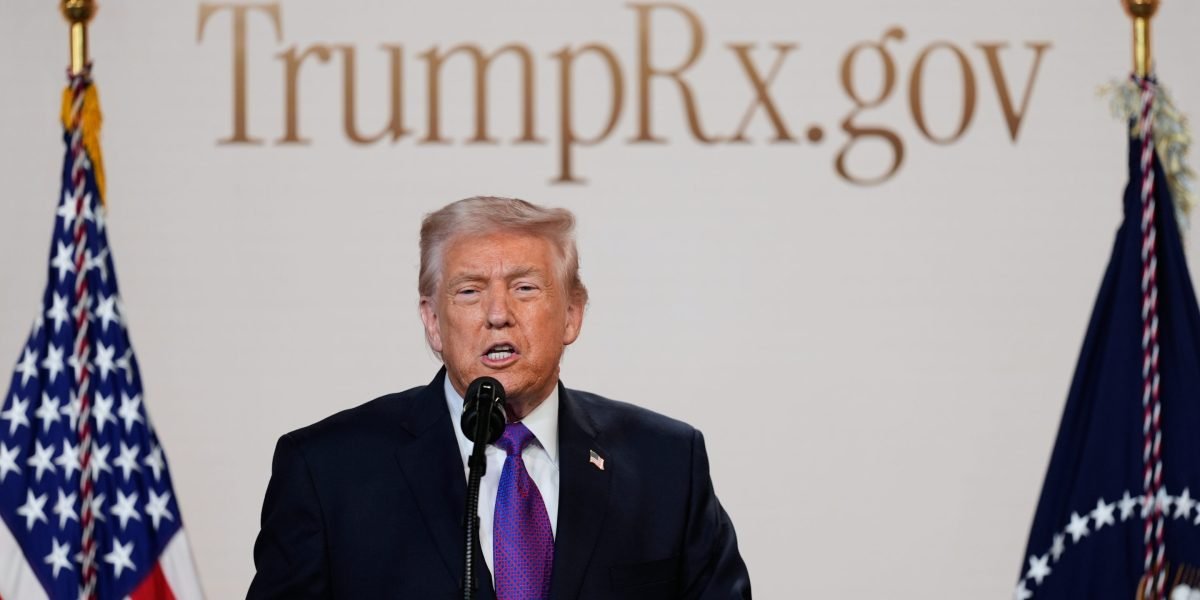
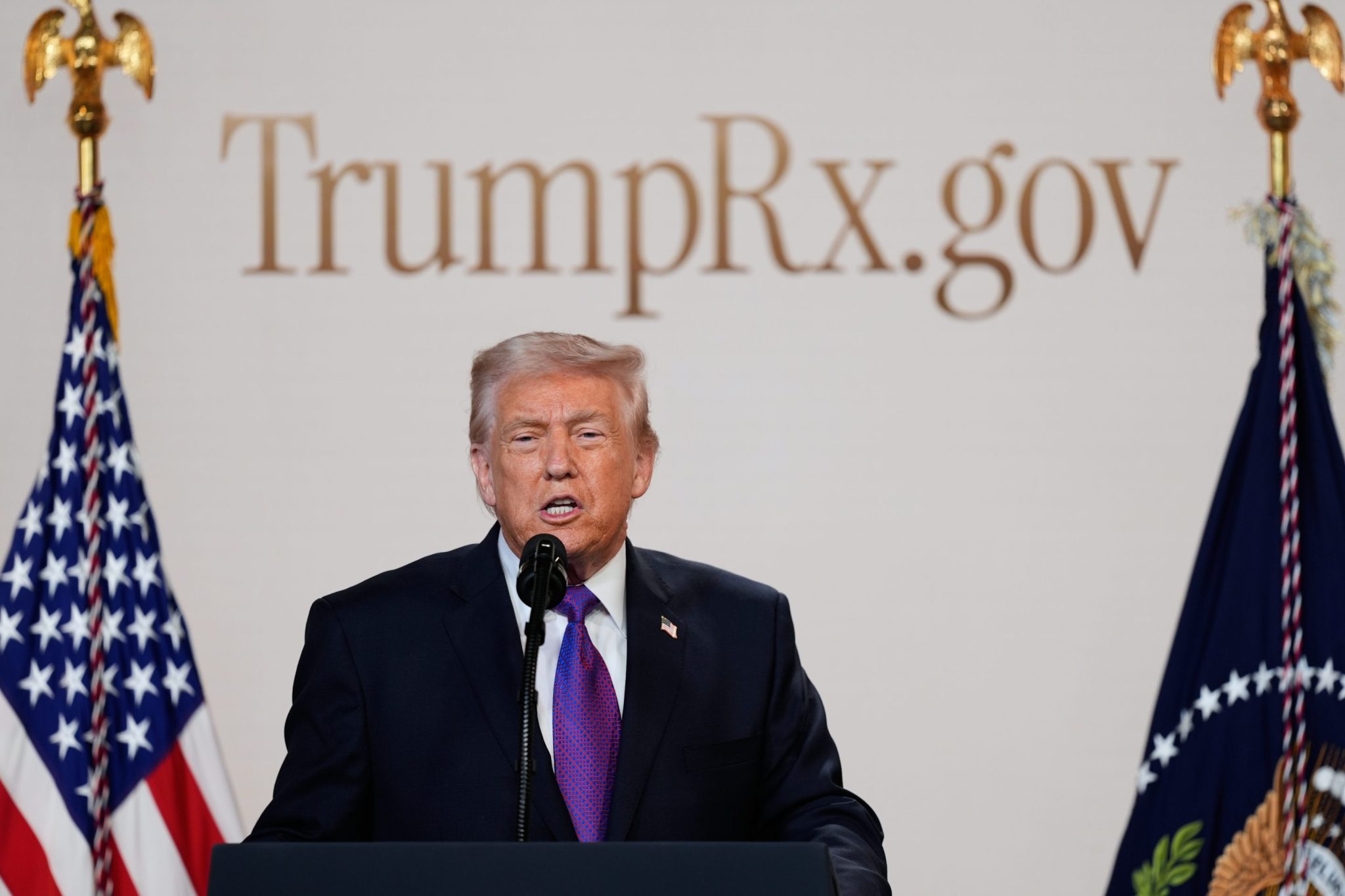
Republicans defend their votes as reining in ballooning health spending and cracking down on what they call waste, fraud and abuse. Trump recently launched a website to help patients buy discounted prescription drugs.
“They are working every single day to make sure that we bring affordability to the people,” said Joe Gruters, chairman of the Republican National Committee.
But the party, despite controlling both chambers of Congress, has been unable so far to pass comprehensive legislation to offset Americans’ health costs.
Ron Bonjean, a Republican strategist, said the issue would remain his party’s “Achilles’ heel” until its leaders draft realistic proposals that can be turned into law.
Public opinion on health care wasn’t always in Democrats’ favor
Health care was once seen as a political liability for the left.
In 2010, Democrats lost their U.S. House majority after President Barack Obama’s signature health policy, the ACA, passed without a single Republican vote. In 2014, they gave up the U.S. Senate a year after his administration fumbled the rollout of Healthcare.gov.
Those tides turned when Trump “touched the stove” during his first term, Woodhouse said, by supporting unsuccessful efforts to repeal and replace the health overhaul, known as “Obamacare,” potentially leaving millions of people uninsured and making it harder for those with preexisting medical conditions to get coverage.
Last year Republicans passed legislation to reduce spending on federal health programs and food assistance, largely by imposing work requirements on people receiving aid and by shifting certain costs onto the states.
Republicans said that would stave off abuse of the Medicaid program, and they added a $50 billion investment in rural health to offset losses. Unrig Our Economy, a left-wing group, said it has funneled more than $12 million into ads criticizing Republicans on health care since the beginning of 2025.
Democrats saw another opportunity to win voters’ support last year when enhanced ACA tax credits were headed toward expiration and they forced a government shutdown over the issue. The funding was not restored but the party believes they gained political leverage going into this year’s campaigns.
“Republicans own it now,” said Eric Stern, a Democratic media strategist. “You better believe Democrats are going to be talking about that.”
Candidates meet with hospital leaders and showcase emotional stories
Stef Feldman, a Democratic consultant who was an aide to former President Joe Biden, said she is hearing from candidates that voters care about health affordability “more than just about anything else.”
A recent poll from the health care research nonprofit KFF backs that observation. It found that about one-third of U.S. adults are “very worried” about the cost of health care, compared with about one-quarter who feel the same way about the cost of groceries, housing or utilities.
For Iowa state Sen. Zach Wahls, who is running for the U.S. Senate this year, tapping into those concerns has meant visits to vulnerable hospitals and tours of pharmacies. For Rebecca Cooke, a U.S. House candidate in Wisconsin, it has meant meetings with hospital leaders and telling personal stories, including about her dad’s expensive prostate cancer drugs and the $200 jump in her own ACA premiums.
In a recent campaign video, Ossoff said health care was “a life-or-death question.” He is the only Democratic senator seeking reelection this year in a state that Trump won in 2024.
At his rally Saturday, one expected speaker is Teresa Acosta, who frequently campaigns for Democratic candidates. She said her ACA policy, which covers herself and two teenagers, including a son with Type 1 diabetes, now costs $520 a month, seven times more than before expanded subsidies went away.
“I think most people would agree that health care is a human right,” Acosta said. “And the Republicans seem hellbent on weakening access to it.”
ACA plans are heavily relied upon in Georgia, one of the 10 states that did not expand Medicaid. As a result, advocates have warned that the expiration of the expanded subsidies could leave Georgia residents uninsured. Recent federal data shows about 14% fewer Georgians have signed up for plans in 2026 compared with last year, although those numbers are not yet final.
Republicans say they don’t want to throw money at a ‘broken system’
U.S. Reps. Mike Collins and Buddy Carter, two of Ossoff’s top Republican opponents, voted in January against a temporary ACA tax-credit extension that passed the House but languished in the Senate. Both deride the ACA as the “Unaffordable Care Act,” a phrase used by Trump, and favor a narrower Republican alternative.
Carter, who worked as a pharmacist, said an extension amounted to “throwing more money at a broken system, riddled with waste, fraud and abuse, without addressing the root cause of skyrocketing costs.”
U.S. Rep. Derrick Van Orden, the Wisconsin Republican fending off a challenge from Cooke, was one of 17 Republicans who voted for the temporary extension. He said he did not support the subsidies but had to vote that way to protect his constituents. He noted that Democrats set the expiration date in the first place.
But Van Orden was also critical of his own party for allowing the tax credits to expire without another solution in place.
“For the last 15 years, when you said health care, they’d dive out the window and barrel roll into a bush and hide,” Van Orden said. “We’re the party of good policy, and so we should be writing policy, and we need to embrace this.”
___
Swenson reported from New York. Associated Press writer Marc Levy in Harrisburg, Pa., contributed to this report.
