
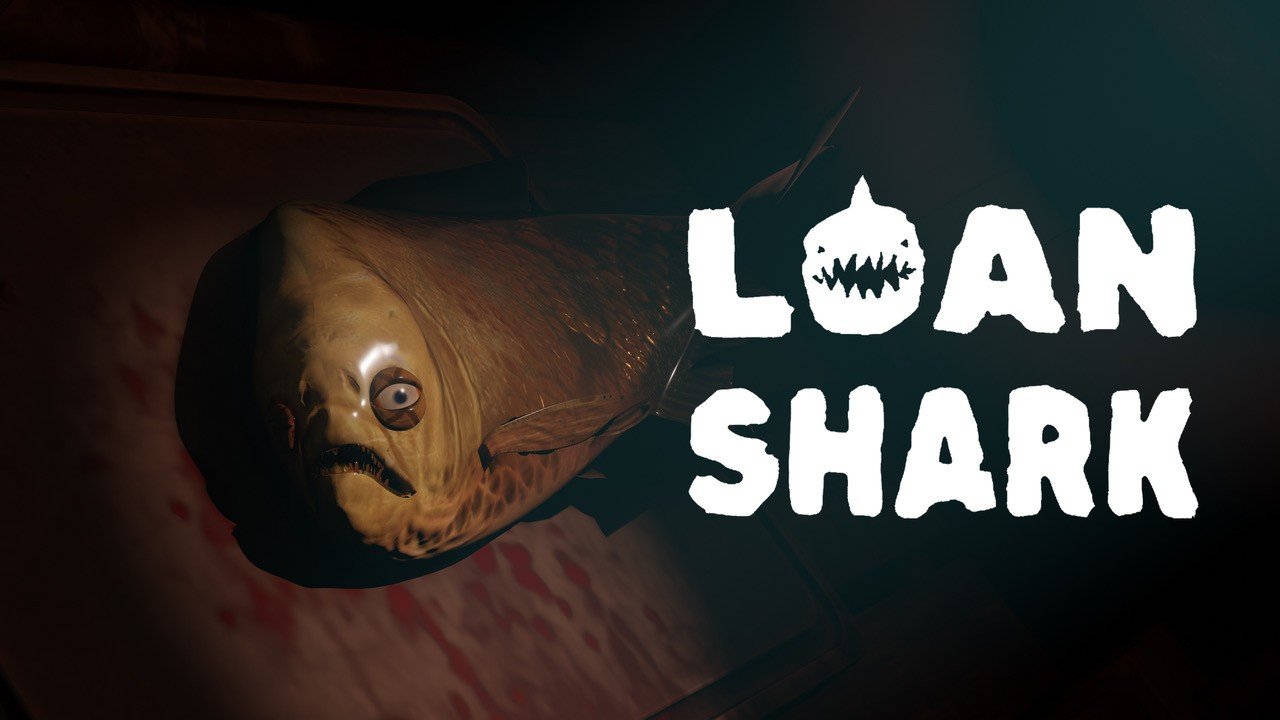
Summary
- Horror driven by obligation, time pressure, and the quiet weight of an impossible debt.
- Drawing on Northern Italian storytelling traditions.
- Step inside a single night where every choice feels costly and every delay carries meaning.
Horror doesn’t always come from monsters.
Sometimes it comes from obligation.
From silence.
From a debt that cannot be repaid.

When the team at Studio Ortica, based in Turin, Italy, began working on Loan Shark, they weren’t interested in building a traditional horror experience filled with combat encounters or overt shocks. Instead, they wanted to explore something more familiar, more uncomfortable, and deeply rooted in lived experience: the quiet dread of owing something you can never truly give back.
That idea, debt as horror, is not abstract in Northern Italy. It is cultural.
A Different Kind of Italian Horror
Turin is a city shaped by restraint. Long winters. Industrial history. Catholic architecture that towers over daily life without spectacle. Unlike the sun-washed imagery often associated with Italy, this is a place where stories tend to unfold inward, where consequences matter more than spectacle, and where morality is often framed as an unavoidable reckoning rather than a heroic choice.
These influences run quietly through Loan Shark.
Italian storytelling tradition, from post-war literature to regional folklore, often avoid clear heroes and villains. Instead, they focus on inevitability. On characters trapped by circumstance. On moral decisions that are technically “choices,” but never feel free.

Loan Shark adopts that sensibility fully.
You are not a warrior.
You are not a saviour.
You are a person who made a bad deal and now has to live inside it.
The Weight of Obligation
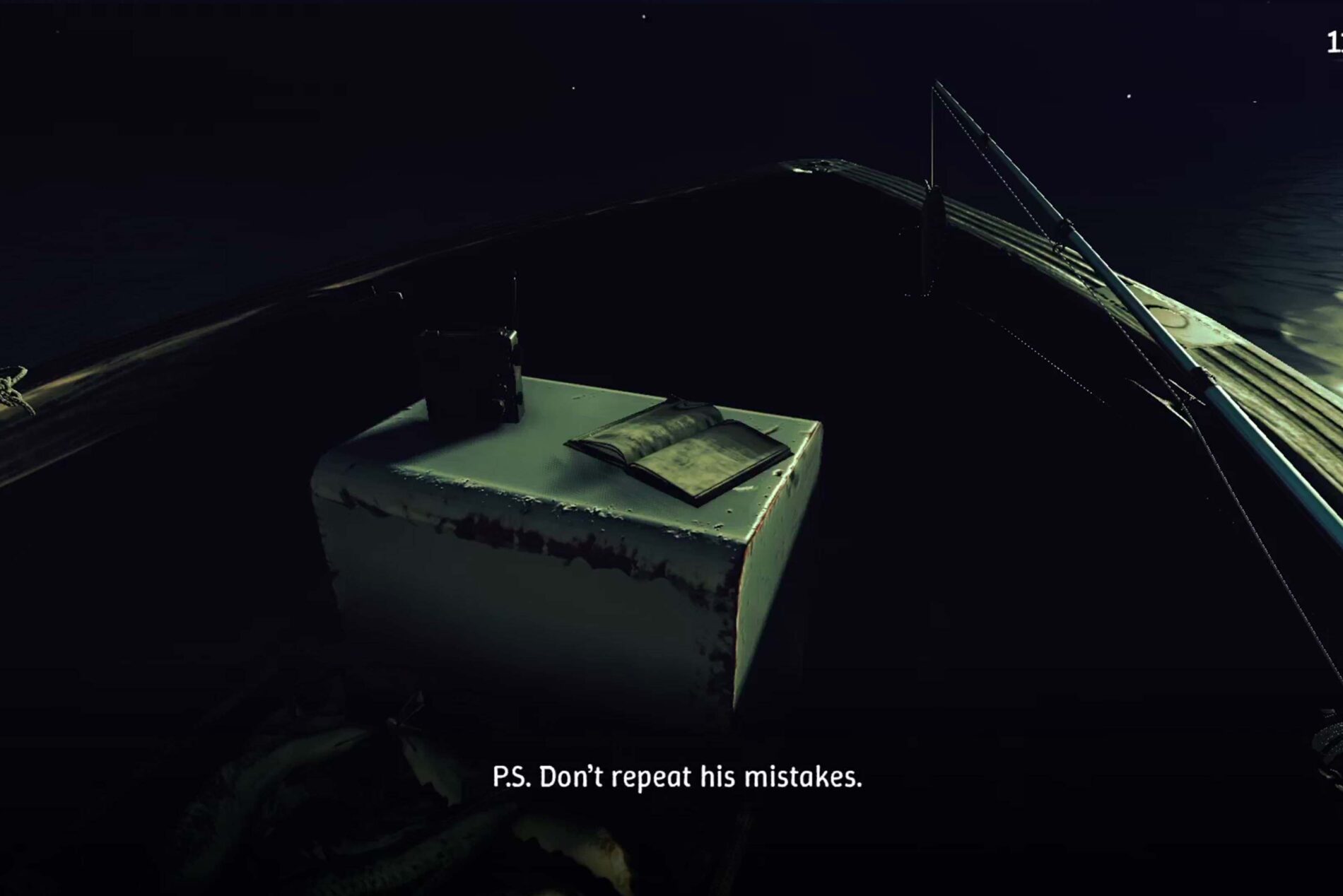
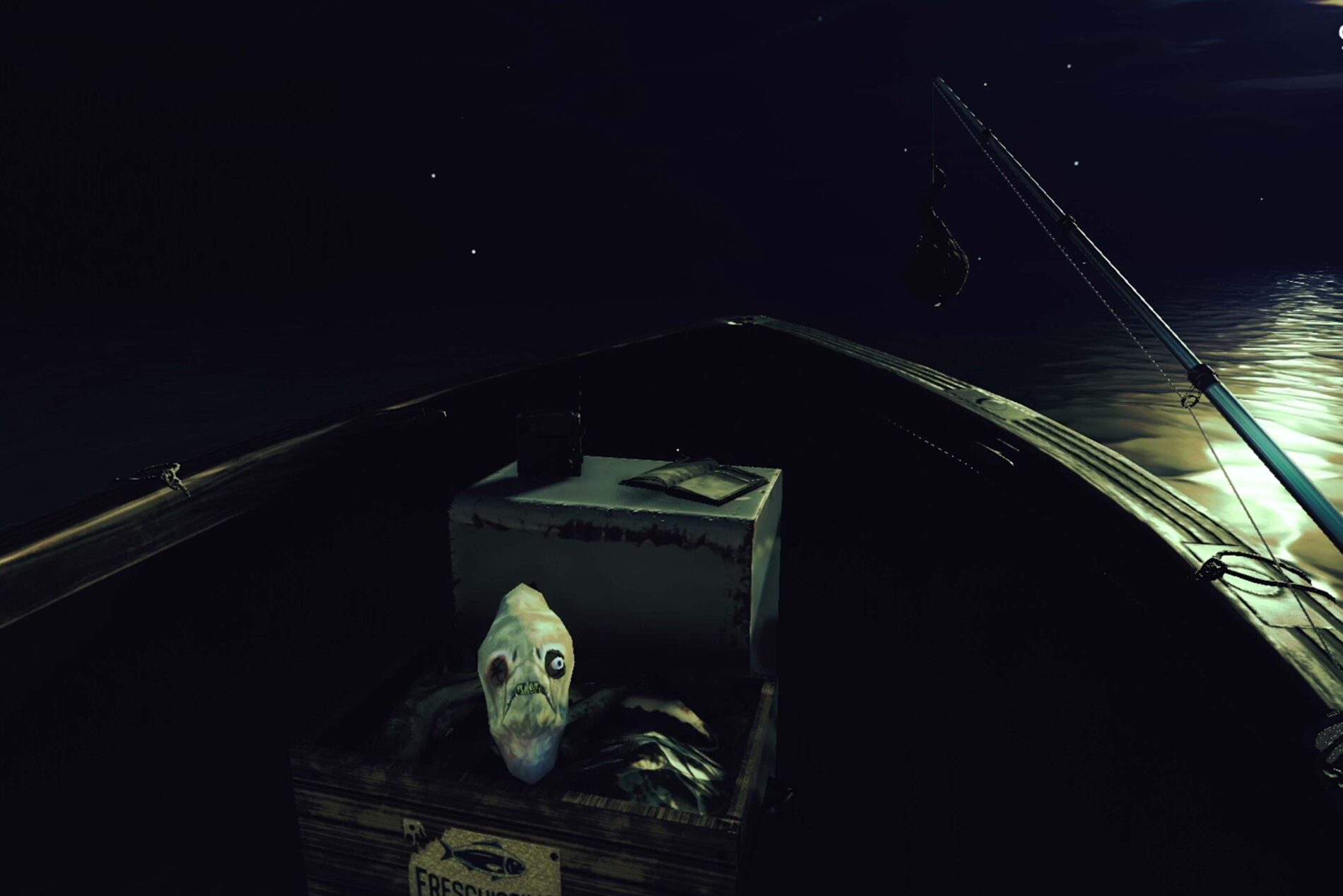
At the heart of Loan Shark is a simple premise: a single night, a single boat, and a debt that cannot be delayed.
Rather than treating debt as just number on a screen, the game treats it as a presence. It shapes how you move. When you act. What you fear. The true weight comes from the atmosphere itself: from strained conversations and the constant awareness that time is slipping away whether you act or hesitate.
This approach mirrors how obligation is often depicted in Italian narrative traditions. Debt is rarely loud. It doesn’t announce itself. It waits.
In Loan Shark, fear doesn’t come from what is chasing you. It comes from what you already owe.
Catholic Guilt Without Preaching
Northern Italy’s Catholic heritage is not presented in Loan Shark through overt religious imagery or doctrine. Instead, it appears in something more subtle: moral consequence without absolution.
Many games offer binary morality systems. Good choices and bad ones, rewards and punishments. Loan Shark deliberately avoids this framing. The choices you make are rarely framed as ethical victories. They are compromises. Delays. Attempts to survive one more moment.
This reflects a worldview where guilt is not erased by good intentions, and where consequences arrive regardless of how well-meaning you believe yourself to be.
You are not asked to redeem yourself.
You are asked to endure.
The Sea as Indifference, Not Romance
Although Loan Shark takes place on the water, the sea is not romanticised. It is not freedom. It is not escape.

In Italian storytelling, nature is often indifferent rather than hostile, unmoved by human struggle. The sea in Loan Shark behaves the same way. It does not attack you. It does not help you. It simply exists, absorbing sound, swallowing light, and reminding you how small your situation really is.
This indifference amplifies the horror. There is no villain monologue echoing across the waves. No dramatic storm to signal danger. Just the steady understanding that no one is coming.
Designing Fear Through Restraint
Studio Ortica’s small team of Nicola Dau, Luca Folino and Tremotino leaned heavily into restraint as a design philosophy. The game’s scale is intentionally narrow: one setting, one night, one unfolding spiral of consequence.
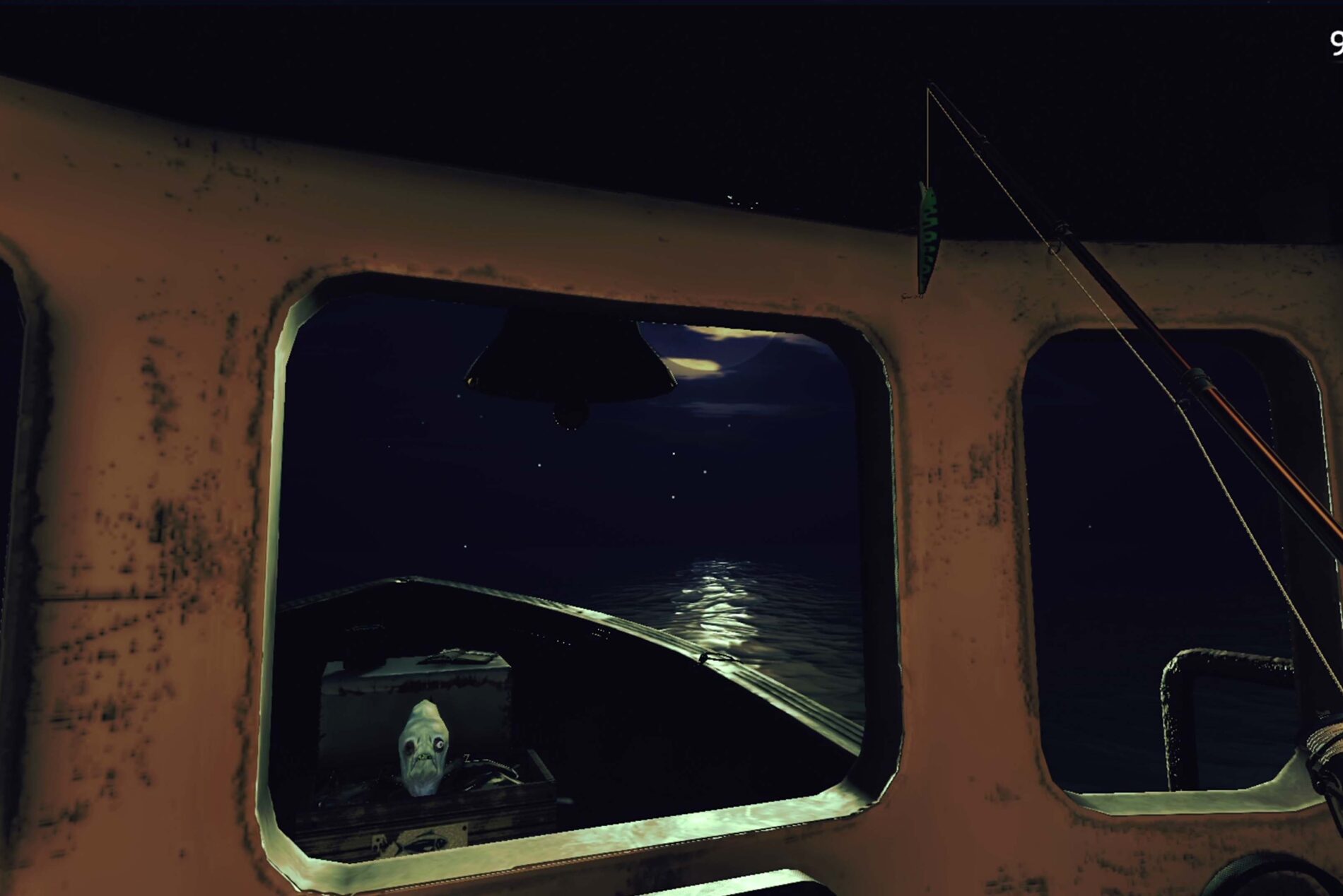
This wasn’t a limitation as much as it was a creative decision.
By reducing scope, the team was able to focus on tone, pacing, and psychological pressure. Every interaction matters. Every silence lingers. Every sound carries weight.
This design approach aligns naturally with console play, particularly on Xbox, where immersive audio, controlled pacing, and focused play sessions allow atmosphere to do the heavy lifting. Loan Shark is designed to be experienced deliberately with lights low, and attention fully engaged.
A Horror That Trusts the Player
Perhaps the most Italian aspect of Loan Shark is its refusal to explain itself too much.
The game trusts players to read between the lines. It trusts implication. It allows discomfort to exist without immediately resolving it. In a medium often driven by explicit feedback and constant reinforcement, this restraint feels almost radical.
But it is also deeply human.
Fear, after all, is rarely about what we see.
It is about what we already understand and cannot avoid.
Bringing a Local Voice to a Global Audience
While Loan Shark is shaped by Northern Italian sensibilities, its themes are universal. Debt, obligation, desperation, and moral compromise are not bound by borders. They resonate precisely because they are familiar.
Studio Ortica’s achievement lies in refusing to sand down those cultural edges in pursuit of mass appeal. Instead, they leaned into specificity trusting that authenticity would travel.
On Xbox, Loan Shark stands as an example of how small, focused games can deliver powerful emotional experiences without spectacle. It is horror built from atmosphere, storytelling, and uncomfortable truths rather than mechanical escalation.
And in doing so, it offers something increasingly rare: a quiet, unsettling experience that stays with you long after the screen goes dark.
Not because of what it shows you —
but because of what it asks you to live with.

Loan Shark
Dark Product
$4.99
You’re an indebted angler, trapped in a vicious cycle of borrowing and desperation. One dark, endless night at sea you haul up something unnatural: a talking fish named Cagliuso. It promises you riches — but its bargains come with terrifying strings.
In LOAN SHARK, the nets you cast bring more than fish. They pull you toward sacrifice, secrets, and a deadline you may never meet. The “loan shark” isn’t just metaphoric — something is stalking the waters, your time is running out, and every deal you strike pushes you deeper into the unknown.
